
play_arrow
Yummy Hits SoFlo's Hottest Hits
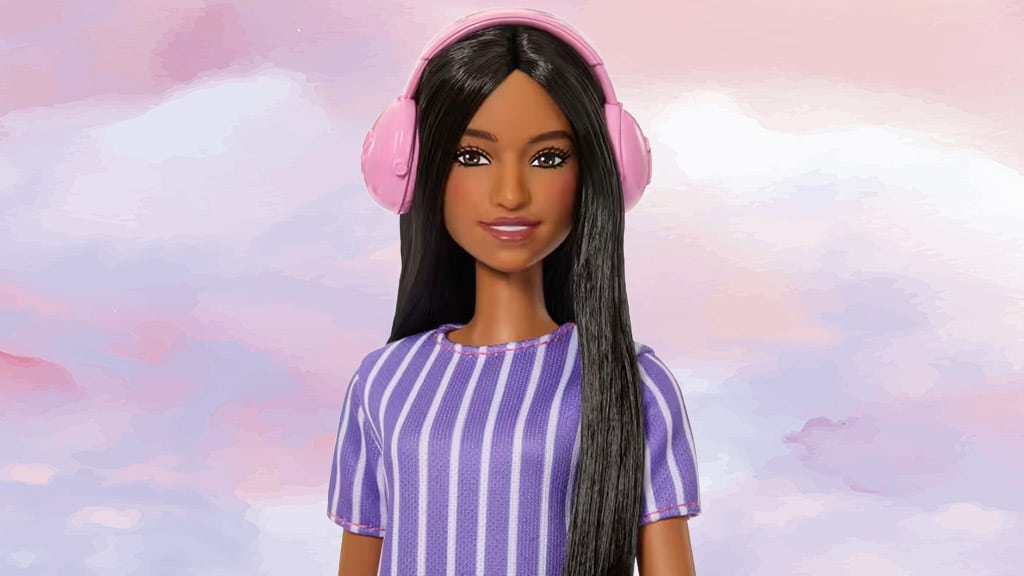
Barbie’s world just got a little more inclusive. On Monday, January 12, 2026, Mattel officially introduced the first-ever autistic Barbie to its celebrated Fashionistas line.
The launch marks a significant milestone in Mattel’s mission to ensure every child can find a doll that mirrors their own lived experience. This new addition joins an increasingly diverse collection that already includes Barbies with Down syndrome, a blind Barbie, and dolls with vitiligo or prosthetic limbs. Recognizing that autism is a broad spectrum often characterized by “invisible” traits, Mattel spent over 18 months developing the doll. They worked in close partnership with the Autistic Self Advocacy Network (ASAN), a nonprofit run by and for autistic people. “It is so important for young autistic people to see authentic, joyful representations of themselves, and that’s exactly what this doll is,” said Colin Killick, Executive Director of ASAN.
The doll features several intentional design choices that reflect common experiences within the autistic community:
The “Side-Eye” Gaze: The doll’s eyes are directed slightly to the side, a subtle nod to the fact that many autistic individuals prefer to avoid direct eye contact.
Articulated Limbs: Greater flexibility in the elbows and wrists allows the doll to mimic stimming (self-stimulatory behavior) or hand-flapping, which are common ways to process sensory input or express excitement.
Sensory-Friendly Outfit: She wears a loose-fitting, purple pinstripe A-line dress with minimal fabric-to-skin contact, catering to the sensory sensitivities many people on the spectrum experience.
Functional Accessories:
Noise-Cancelling Headphones: To help manage sensory overload.
Working Fidget Spinner: A pink finger-clip tool to help with focus and stress.
Communication Tablet: Features a symbol-based AAC (Augmentative and Alternative Communication) app on the screen.
To celebrate the launch, Mattel has pledged to donate 1,000 dolls to pediatric hospitals across the U.S. that specialize in neurodivergent care. While some online critics have debated the difficulty of representing a “hidden” disability in toy form, the general consensus among advocates is that this is a powerful step toward validation. As author and advocate Ellie Middleton noted, having a symbol like this brings the conversation around neurodivergence in women and girls—who are often underdiagnosed—straight to the forefront of the toy aisle.
Written by: Cat Haley
During her Weekend 2 headlining set at Coachella 2026 on Friday, April 17, Sabrina Carpenter brought out Madonna as a surprise guest in Indio, California. Madonna joined Carpenter onstage during “Juno,” before the two performed “Vogue” and “Like a Prayer.” They also debuted “I Feel Free,” a new Madonna track […]