
play_arrow
Yummy Hits SoFlo's Hottest Hits
todayOctober 19, 2025
Miami-Dade County just made a major move for the planet. After years of delays, the county approved new rules for large-scale composting, taking a huge step toward tackling its growing waste problem and cutting methane emissions from overflowing landfills.
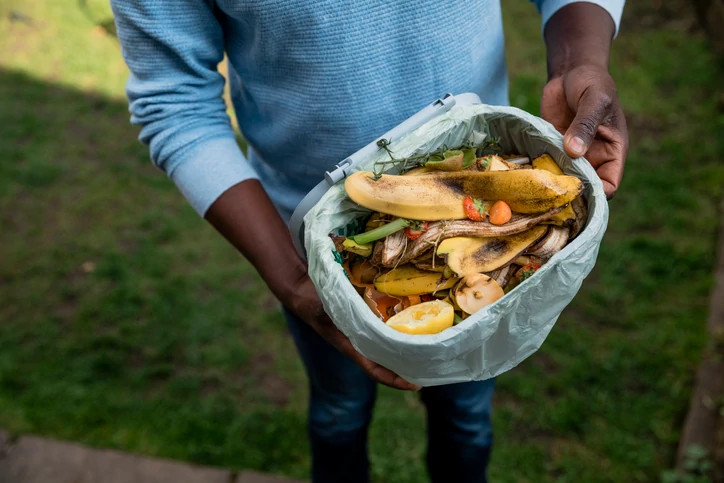
Landfill space is running out fast, and officials say the new regulations could divert up to 30,000 tons of food waste every year. Instead of ending up in a dump and producing harmful gases, scraps can now be turned into nutrient-rich soil, aka “black gold.” Commissioner Eileen Higgins, who led the legislation, put it simply: “We’re going to run out of landfill space soon. This will turn trash into soil — not pollution.”
Local programs are already showing the power of composting. For example, Pinecrest Village’s compost drive has collected over 151,000 pounds of food waste, helping grow produce for the Miccosukee Tribe’s community garden. Meanwhile, companies like Compost for Life and Fertile Earth Worm Farm can now operate legally and expand their operations across the county.
The new rules also come with safeguards:
Groundwater monitoring for meat composting
Odor and pile-height limits to protect neighbors
With composting becoming cheaper, easier, and more community-friendly, Miami-Dade could be on its way to turning waste into a sustainable goldmine. Could this be the county’s next big green success story?
Written by: Oliver Ford